The 15% Gamble: How Trump's Latest Tariff Move Could Backfire on American Consumers
After the Supreme Court blocked his broader tariff plan, the President turned to an obscure trade provision with a built-in expiration date. The question is whether this is strategy or desperation.
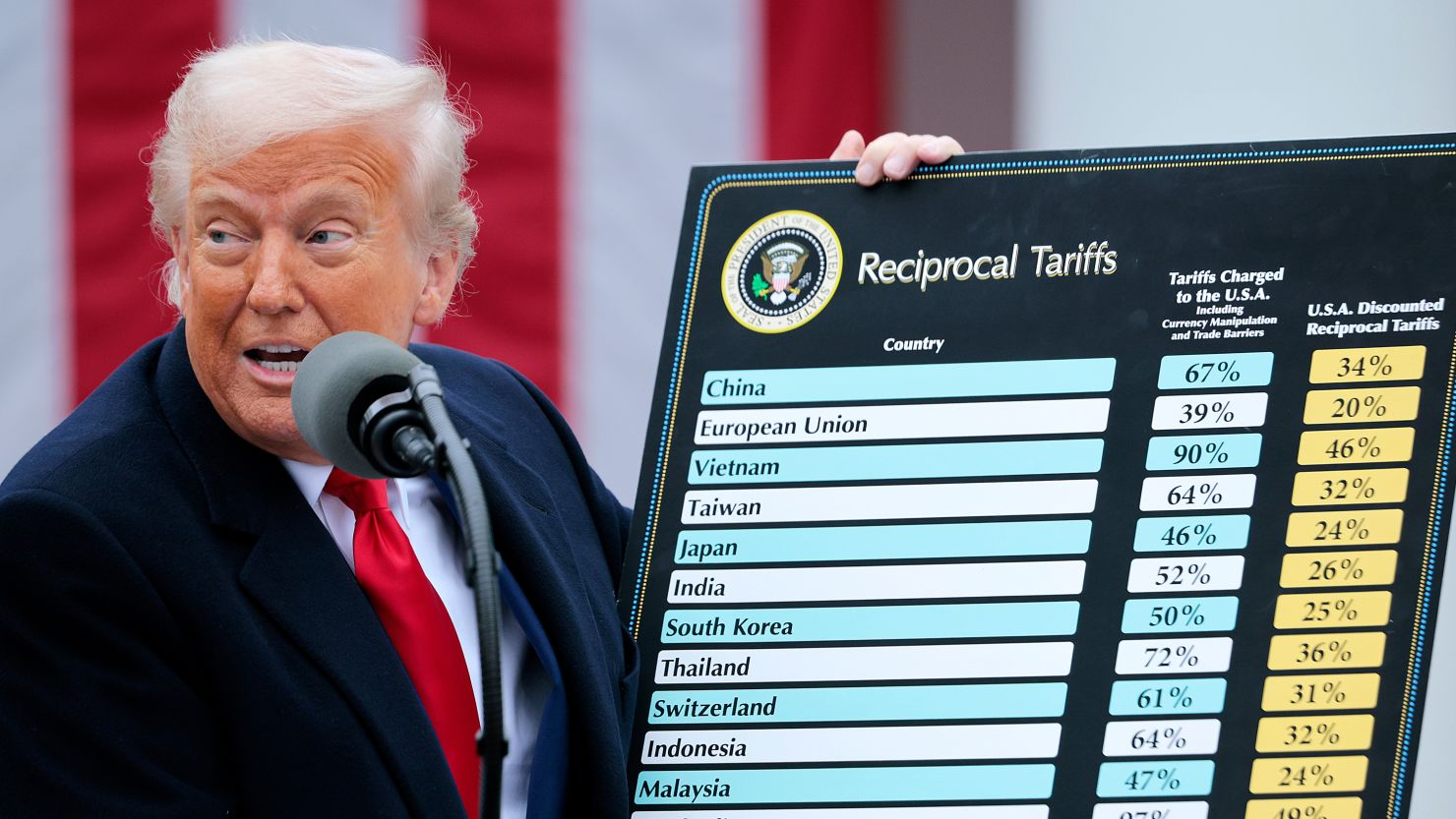
There is a particular irony in watching the world's largest economy resort to a legal provision designed for temporary emergencies to wage a permanent trade war. Yet here we are. On Monday, President Trump's new 15% global tariff took effect under Section 122 of the Trade Act — a provision that was never intended for this purpose. The law allows emergency tariffs of up to 15% for a maximum of 150 days. It was written as a pressure valve, not a weapon. But after the Supreme Court dismantled the administration's broader tariff authority, Section 122 became the only tool left in the toolbox. The math tells a stark story. Canadian exports to the U.S. now face a layered tariff structure: 35% on steel and aluminum, plus the new 15% baseline on everything else. For a country that sends 75% of its exports south of the border, this isn't just a trade dispute — it's an economic earthquake. But the tremors run both ways. American manufacturers who depend on Canadian raw materials — lumber, energy, auto parts — are already seeing costs rise. The National Association of Manufacturers estimates that the combined tariff burden could add $2,400 annually to the average American household's expenses. That's not a theoretical projection; it's already showing up at checkout counters. The Senate's upcoming vote on a resolution to block the Canada tariffs has become a litmus test for something larger: whether Congress is willing to reclaim its constitutional authority over trade policy. The Constitution explicitly grants Congress the power to regulate commerce with foreign nations. Decades of delegation to the executive branch have created the very situation we see today — where a single individual can reshape global trade flows with a signature. Canada's response has been measured but firm. Ottawa has announced retaliatory tariffs targeting American agricultural products and consumer goods — hitting states that are politically important to the administration. It's a calculated move designed to create domestic pressure for negotiation. The July expiration date looms over everything. Either the administration negotiates genuine trade agreements in the next five months, finds new legal authority, or watches its tariff wall crumble on a predetermined date. Markets are betting on the latter, which is why the initial stock market panic has been followed by cautious stabilization. For Canadian businesses, the advice from trade experts is consistent: diversify. The Trans-Pacific trade agreements that Canada signed provide alternative markets. The EU trade deal offers another lifeline. The era of assuming that 75% of Canadian trade would always flow to a single partner may be ending — and that might ultimately be the most significant consequence of this entire episode.
This story is developing and will be updated as more information becomes available. Stay tuned to Canada Day for the latest updates on this and other breaking news stories.