Constitutional Tug-of-War: Executive Power Versus Parliamentary Oversight in Canada
While the principle of separation of powers is a cornerstone of Canadian democracy, escalating tensions between the executive and Parliament raise fundamental questions about the future of governance in the country.
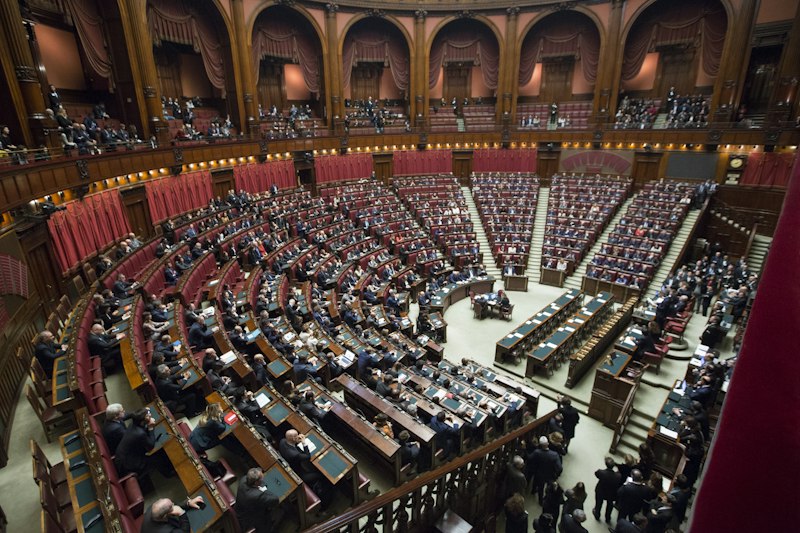
The delicate balance between executive authority and parliamentary oversight has always been at the heart of Canadian democracy. But in recent months, this balance has been tested like never before, as a series of high-profile confrontations between the government and opposition parties have laid bare the deep fault lines in our constitutional framework. At the center of this constitutional drama is the question of accountability. The executive branch, armed with the machinery of government and the power of the Prime Minister's Office, has increasingly sought to expand its authority, often at the expense of parliamentary scrutiny. Critics argue that this trend represents a dangerous erosion of democratic norms, turning Parliament into a rubber stamp rather than a genuine check on executive power. The opposition, for its part, has responded with an unprecedented level of procedural warfare. Filibusters, committee walkouts, and privilege motions have become the weapons of choice in a parliamentary arms race that shows no signs of abating. While these tactics are within the rules, they raise legitimate questions about whether our parliamentary system is still capable of functioning effectively in an era of hyper-partisanship. What makes this moment particularly significant is the broader context of democratic backsliding around the world. From the erosion of judicial independence in some European countries to the concentration of executive power in others, the global trend is unmistakable. Canada has long prided itself on being a beacon of stable, democratic governance, but the current tensions suggest that we are not immune to these global pressures. The path forward requires a renewed commitment to the principles that underpin our constitutional order. This means strengthening parliamentary committees, protecting the independence of officers of Parliament, and fostering a political culture that values debate and compromise over confrontation and obstruction. The stakes are too high, and the precedents being set too dangerous, for this constitutional tug-of-war to continue unchecked.
This story is developing and will be updated as more information becomes available. Stay tuned to Canada Day for the latest updates on this and other breaking news stories.